
People are always asking us what luggage, electronics, camera and miscellaneous we use. We’ve been nomadic for 13 years, and live out of two backpacks. Everything we own is carefully chosen for durability, functionality and usability. So check out the new store on Amazon, where you can buy everything we recommend. (Note that as an Amazon Associate I earn from qualifying purchases.)

Wine tasting in Barcelona
This photo was taken at a natural-wine tasting for sommeliers in Barcelona during our first Barcelona Experience. The tasting was a wonderful event with cool people at an amazing venue in the city.
We love wine tasting, and we're planning some fun and surprising wine tasting in Barcelona and the nearby cava county (they make a lot more than cava!) at the upcoming Cava Barcelona Experience, which is now only one month away!!

Our favorite country is wine country
Wherever we go in this world, we always seek out the places where the small, old wineries and vineyards are.
Wine countries, whether they're in Europe, Asia, Australia or the Americas, are always beautiful, and they also tend to have great food.
Because wine is big business, agri-giants are growing grapes on vast, industrial vineyards where grapes really shouldn't be grown. You see them springing up in California in the Central Valley, and in the vast agricultural space between the Napa/Sonoma wine country and the Santa Barbara/Santa Ynez wine country. Not beautiful.
But in the places where vineyards are small, and exist among with homes, small towns and other kinds of agriculture, they're always beautiful.
(This vineyard happens to be on the Prosecco Road north of Venice in Italy, where we do our Prosecco Experience. )
How to eat truffles
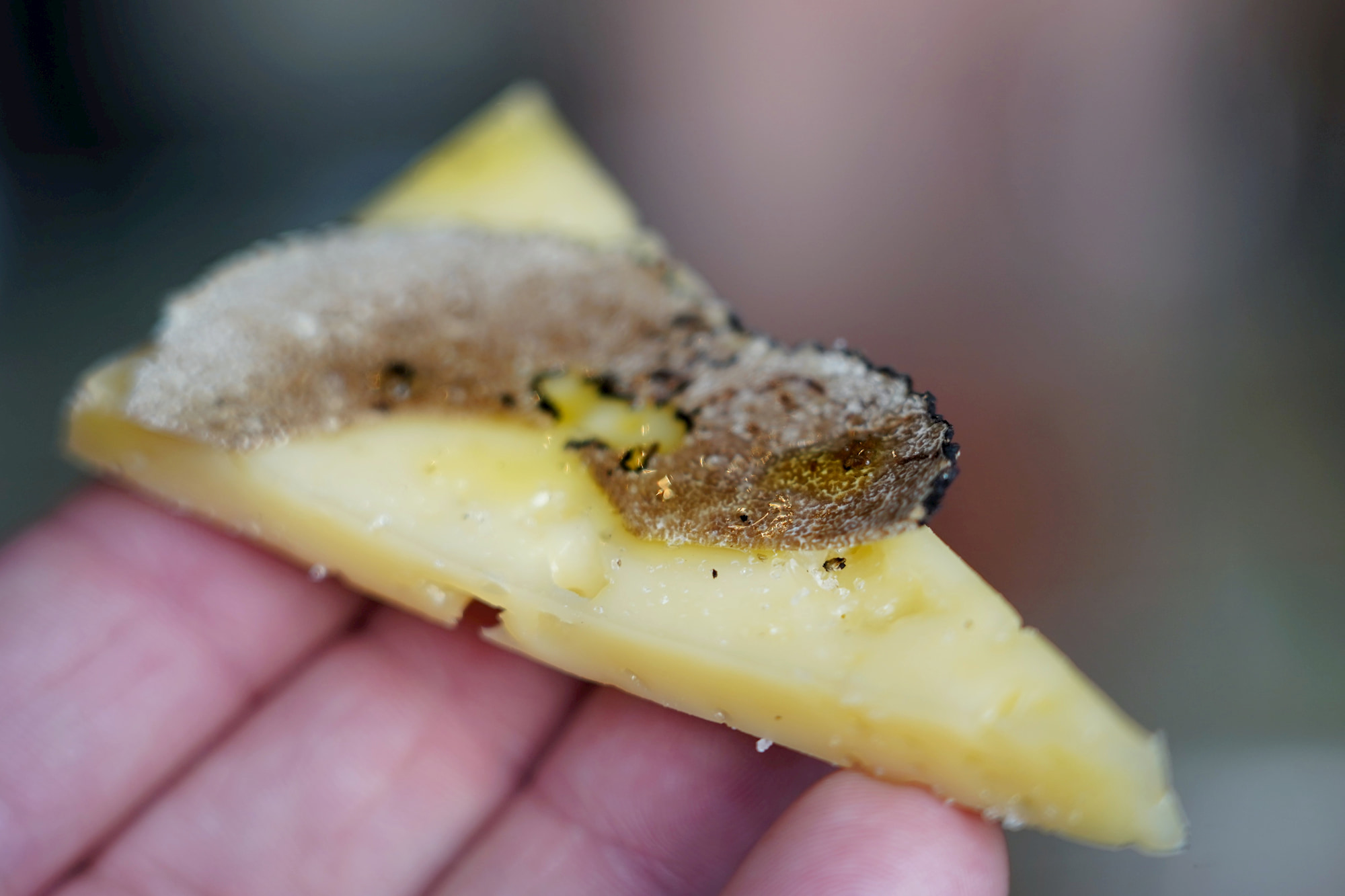
My favorite way is: mild French cheese, freshly shaved truffle, extra-virgin olive oil, sea salt, plop it in your mouth, repeat.
During our Provence Experience, we try fresh truffles every which way: truffle pizza, truffle on soup, truffle and farmer's cheese on toast, truffle on pastries -- we even put truffle oil on our truffles.

Looking forward to a Venetian Autumn
They make prosecco out of grapes that can tolerate, and in fact need, extreme weather conditions. Glera grapes love South-facing and steep slopes, very strong wind, near freezing temperatures in the Winter and heat in the summer. It's always beautiful in the Prosecco Hills, but the region gets real weather.
Autumn in Veneto, however, is extremely pleasant and beautiful -- especially so because it's a rare spot in Italy where the food, wine and scenery are magnificent, but the tourists haven't discovered it yet. (Or maybe the tour busses can't handle the narrow, winding lanes and steep hills.)
Yes, Venice itself is the poster child for overtourism. But the rest of Veneto is largely undiscovered by the Instagram set. That's one of the hundred reasons why we love hosting our Prosecco Experience.

Making traditional couscous on a farm in Morocco
Couscous is one of the many culinary gifts of the Berbers. It's tiny balls of crushed durum wheat semolina traditionally cooked with the steam of the meat and veggies that it will be served with. Commonly made on Friday, you eat it communally, with everyone digging with a spoon into a huge plate of couscous in the middle of the table. It's delicious with a little buttermilk, which you pour on the portion you're eating from.
(During our Morocco Gastronomad Experience, we make couscous traditionally and from scratch, and enjoy different regional varieties as we caravan across Morocco.)

Could this be the perfect travel coffee kit?
A company called Pakt has successfully Kickstarted and will soon go into production with a product called the Pakt Coffee Kit. This looks to me like the perfect travel coffee product.
Open the case and pull out the cylindrical kettle, which sits on a plugged-in base like a regular electric tea kettle. Inside the kettle is nested two containers, one that serves as a giant coffee cup, and another that holds your coffee beans or coffee grounds.
A pour-over cone expends out with a clever design, so that when it’s collapsed, it fits inside. This is made of metal, rather than silicon or some other material usually used with collapsible food and coffee products.
The Pakt Coffee Kit is scheduled to ship by the end of the year for $189.

Why Barcelona is my favorite place to drink vermouth
Good vermouth is a delicious, refreshing and delightful beverage that's misunderstood, abused and maligned. The drink is also associated with Italy, or maybe France. But I think that in the last few years, Barcelona, Spain, is the best city to drink vermouth. (And, of course, we'll be drinking Barcelona's very best vermouth during our Cava Barcelona Gastronomad Experience.)
I'll tell you why in a minute. But first, let's talk about vermouth itself.
Vermouth is a fortified white wine flavored with botanicals. The "fortification" involves the addition of alcohol (brandy or neutral spirits) to bring the level to at least 14.5% in Europe or 15% in the US. (By definition, vermouth is at least 75% wine.)
The name "vermouth" comes from the French pronunciation of the German word for wormwood (wermut) -- and wormwood is one of the few universal ingredients in good vermouth.
Fortified, botanical wines have existed in China for millennia and Europe for centuries, mostly as a medicine. But Vermouth as we know it today was invented in mid-18th century Turin, Italy. That Italian invention was a red vermouth. Later, white and dry vermouth was developed in France.
Vermouth can be sweet or dry -- or, more recently, extra-dry white, sweet white, red, amber, and rosé.
Vermouth is used as an ingredient in cocktails, of course. That's the American way. Before World War II, more than half the cocktails commonly quaffed in America contained vermouth as an ingredient. And Americans even drank it neat. But the war stopped imports of vermouth from Italy and France, and Americans lost touch with it.
It's still a necessary ingredient in the quintessentially American cocktail: the martini. Interestingly, the original martini used sweet vermouth, but over time a dry martini with dry vermouth became the preferred martini. Use of the term "dry martini" gradually changed from meaning "dry vermouth instead of sweet" to meaning "a lesser amount of dry vermouth instead of the normal amount of dry vermouth.")
Cocktail books list more than 200 cocktails containing vermouth, mostly dry vermouth. As a result, most Americans think of vermouth as a cocktail mixer exclusively.
Many people think they don't like vermouth, but only because they've never tried the good stuff. They've been exposed only to the mass-market industrial brands, or they've tried old vermouth in the back of someone's liquor cabinet or sitting with the spirits at a bar (which destroys it) -- or both.
Once you open a bottle of vermouth, the clock is ticking, and should be refrigerated, and also consumed within a month or two. (Vermouth is commonly ruined because people believe it to be -- and handle it as -- a spirit. In fact, it's white wine and should be treated as such -- drunk cold and young and soon after opening.)
Vermouth is normally made with Clairette blanche, Piquepoul, Bianchetta Trevigiana, Catarratto or Trebbiano grape varieties. Non-white vermouths are also usually made with white wine, but colored by caramelized sugar.
The taste of vermouth is dominated by the proprietary blend of botanicals and other ingredients used by the maker, which may include wormwood, cloves, cinnamon, quinine, citrus peel, cardamom, nutmeg, marjoram, chamomile, coriander, mugwort, sagebrush, juniper, lavender, holly thistle, hyssop, gentian, ginger, black elder, anise, iris root, apple brandy, honey, cinchona bark, sweet flag, licorice root, cascarilla, angelica root, lemon peel, lime peel, bitter orange, bergamot orange peel, pomelo peel, oregano, dittany of Crete, gallic rose, st. john’s wort, honeysuckle flower, kieffer lime leaves, sage, star anise, cinnamon bark, cardamom, tonka bean, vanilla, allspice and many other ingredients.
While vermouth "manufacturing" happens predominantly in Italy and France, the vermouth "revival" is happening strongest in Barcelona. Spanish vermouth tends to be less bitter and taste sweeter, even though it also tends to have less sugar.
Personally, I think Barcelona is the greatest city in the world for enjoying vermouth. Every neighborhood seems to have a vermouth bar -- some of which are old and fancy; others are literally two stools on the sidewalk. Many serve their own house-made vermouth from a tap, and it's often cheap, as little as 2 Euros per glass, which comes with snacks, such as potato chips, olives, anchovies, shellfish or pan con tomate.
The Spanish way to drink vermouth is neat or on the rocks with an olive, a slice of orange or lemon and, perhaps, a splash of soda, before lunch, before dinner or after church on Sunday (many Spaniards have stopped going to church but continued the Sunday vermouth tradition). Vermouth is usually consumed as a very social "first drink of the day." The pre-dinner vermouth session can last two hours and signals the end of the day and the beginning of the evening.
And it's this ritual, combined with the enthusiastic house-made vermouth renaissance in Barcelona, that makes the city so great for vermouth. To drink vermouth at the right time in the right place is to join the locals in an extremely enjoyable ritual.
I'm really looking forward to sharing my favorite vermouths and vermouth bars during our Cava Barcelona Gastronomad Experience!

Barcelona at night is another world!
I'm really looking forward to the upcoming Cava Barcelona Gastronomad Experience, which is 5 nights and six days of pure Catalonian coolness -- food, wine, vermouth, cheese, tapas and breathtaking scenery in the Cava wine country.
But one singular experience is to find out what it's like to go deep inside Barcelona at night. The bars, streets and alleys of the Gothic Quarter are another world, unlike anything anywhere.
We're going to take our small group to our favorite hidden restaurants, dive bars and secret spots, where we'll eat and drink into the wee hours.
Just once in your life, you've gotta experience Barcelona the way we do it.

Come experience Barcelona inside and out!
We're so excited about our upcoming Cava Barcelona Gastronomad Experience (which happens September 2 through September 7)!
Everybody's heard about Barcelona -- the unique and legendary city of Gaudí and Domènech i Montaner, the capital of Catalonia, and the best place in Europe to eat and drink all night long.
But fewer people know about the nearby Cava wine country -- a breathtakingly beautiful land of vineyards and wineries and amazing food.
During our Cava Barcelona Experience, we'll take you deep inside both the city and the country. Our small group of friends (including you!) will skip all the tourist traps and immerse ourselves in the real Barcelona that most people never see.
From a beautiful home in the Cava country, surrounded by vineyards, we'll explore the region's most intriguing and secret food spots, most authentic markets, restaurants, artisan shops and other hidden gems. We'll enjoy wine tastings, cheese tastings and more with Barcelona's top experts. And we'll learn how to cook -- and eat! -- Catalonia style.
We'll experience the true bohemian side of Barcelona, enjoy tapas of the highest order at the best local spots and explore the musical rhythms of flamenco. We'll talk to cultural experts to enlightened us about all things Catalonia.
You'll not only learn and taste and explore, but together we'll honor those who have kept the flame of ancient Catalan traditions, food methods and agrarian skills alive.
Best of all, every day of The Experience will be filled with delightful surprises, incredible scenery and unforgettable gatherings with friends.
If you think you or someone you knows is interested in enjoying the culinary and wine-tasting experience of a lifetime, click here or just send email to: mike@elgan.com
Happy National Chocolate Day, everybody!
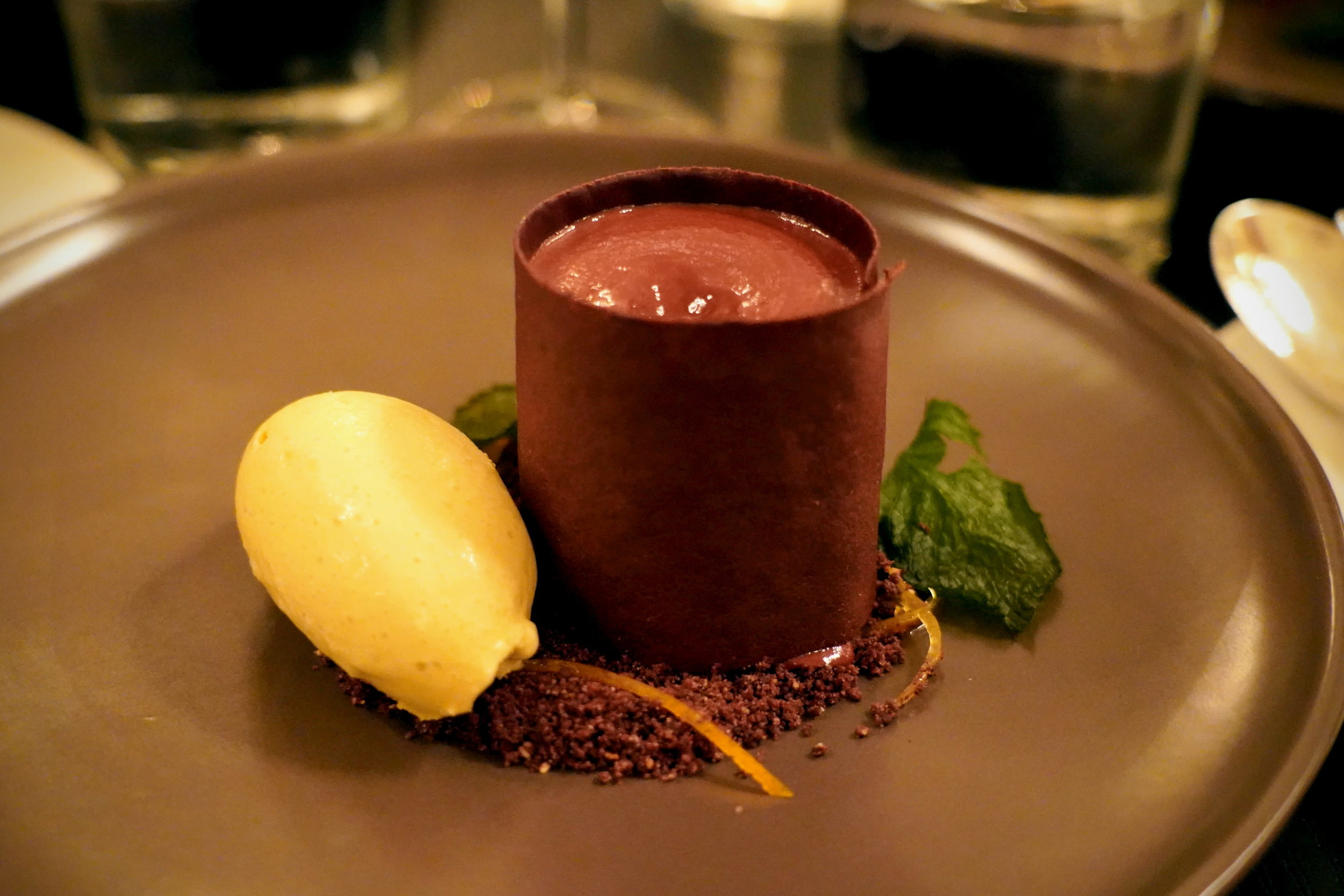
During Gastronomad Experiences, every day is National Chocolate Day, no matter which day and no matter which nation. This mind-blowing confection is from our most recent Prosecco Gastronomad Experience. We love chocolate!

Your own private food and wine travel trip of a lifetime!
We currently host unforgettable Gastronomad Experiences in Provence, Morocco, Barcelona, Mexico City and the Prosecco Hills.
But if you have a group of 4 or more, we can plan an exclusive Experience just for your group! This can be your family vacation or reunion or company event, filled with magical gatherings, dinners, picnics, tastings.
If you're interested in your group having the time of your lives in one of the most beautiful places in the world, just go here.

We even said "good-bye" to the lavender!
We just concluded our wonderful, delicious, joyous Provence Gastronomad Experience. We just landed in the US, and miss France already. The hardest part is saying “good-bye.” We said it to our wonderful Gastronomads, who joined us for a week of delicious fun. We said it to our dear French friends. We said it to the medieval villages, the breathtaking valleys between and the wonderful food and culture of Provence. And we also said “good-bye” to the lavender, which surrounds the farmhouse that makes our home during The Experience.

Our little street in Provence
Today is the first day of summer, which France celebrates with music everywhere. We took a few steps to check out a band at the end of the street. Amira ran into friends, and I retreated back into our apartment. But I did snap this pic of her walking back down our little street.

Sampling some local brew in Provence
We’re living at this moment in little town in France, which we love. It’s called Pernes-les-Fontaines.
Technically, it’s a village of fewer than 10,000 people in the region of Provence-Alpes-Côte d'Azur in the Vaucluse Department, the Carpentras Arrondissement and part of the intercommunalité of Les Sorgues du Comtat.
Forget all that. It’s a town in France, and one of extreme beauty and charm. (Our apartment is 40 feet away from a moat! Should the Visigoths try to sack the Lower Rhone again, we’ll be ready this time!)
Anyway, we enjoyed a lovely dinner last night with two wonderful friends of ours — an amazing couple, Olivier and Aurore, engineers both. (Aurore owns a gamification training and education company, and Olivier designs technology hardware for education.) Together, they have created an open maker-space called the FabLab, where all are invited to come and learn, build, create, collaborate, explore ideas and make stuff.
While checking out their cool new space last night, Olivier pointed to a partially disassembled washing machine, which he said would be converted into a beer brewing system. Incidentally, he mentioned, the owners of a local brew pub expressed intention to teach the craft of beer brewing to anyone interested at the FabLab. They told us about the brew pub, called Bar à Bières La mousse Gourmande, which we had passed walking by many times, but of which gave no notice.
With time short today, we ventured in to sample some beer. Which was excellent. We loved everything about this place. A few good house-made craft beers on draft. A great selection of good beers by the bottle (including Lagunitas, for fuck’s sake). And really nice people.
Magical Amsterdam
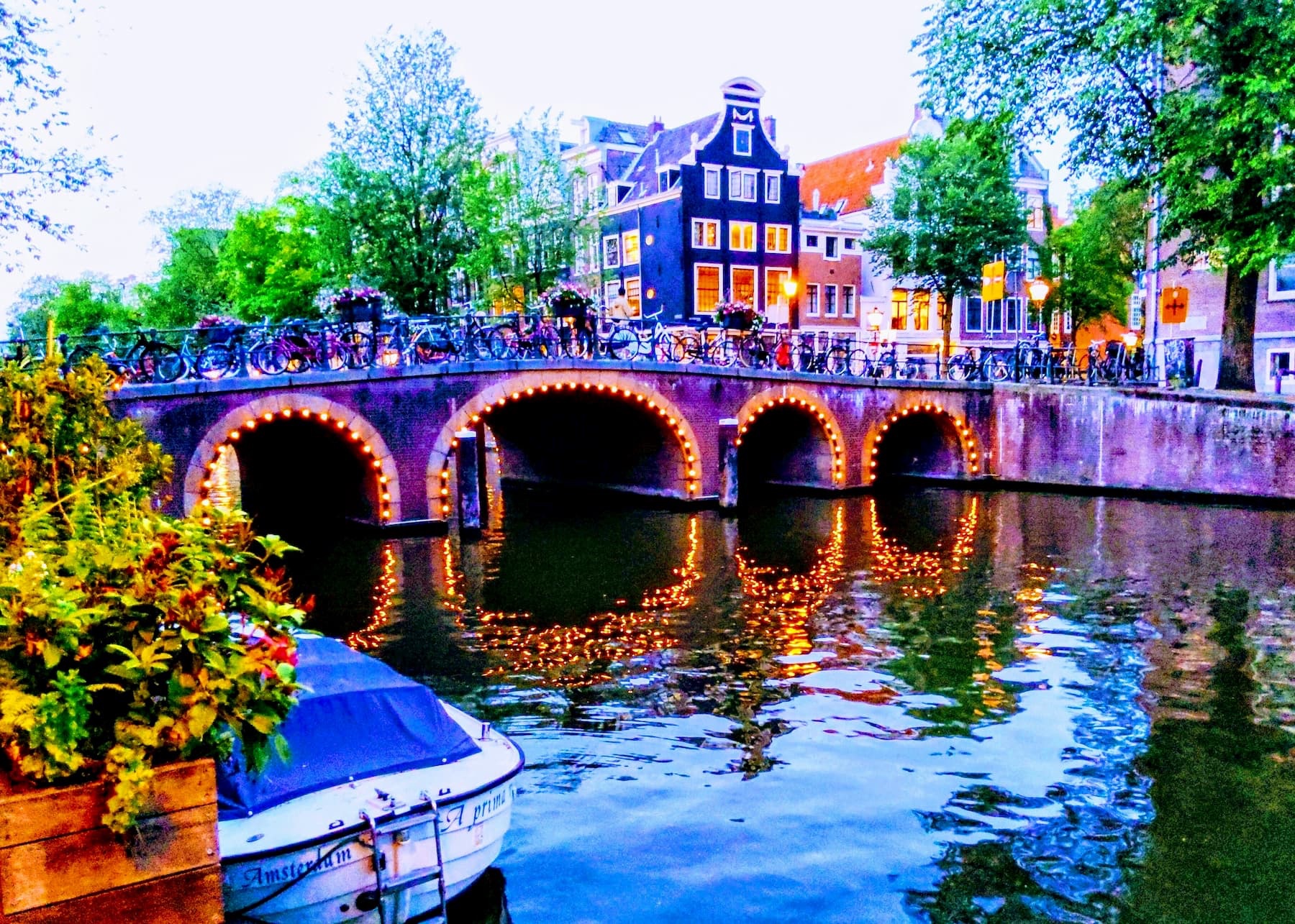
This was our view as we sampled Dutch craft beer at sidewalk, canal-side tables, first with the setting sun, then with the full moon. Amsterdam is a damn nice place for doing nothing.

Provence is meringue heaven!
Amira has a meringue problem. Which is to say that she's gained a reputation in restaurants in multiple cities as a meringue maniac. (She'll sometimes call ahead to make sure they've got the hard stuff, and that it's very fresh.)
One restaurant in Mexico City removed an item from their menu literally called "Too Much Meringue," probably because it had too much meringue. Now they make it only for Amira.
Meringue is simple; it's basically whipped egg whites and sugar and sometimes lemon juice, vinegar or cream of tartar. They make it differently in France, Italy and Switzerland.
French meringue is different from Italian or Swiss meringue in that the egg whites are still raw, which is why French meringue is good only after being baked or cooked. Italian and Swiss meringue can be used as frosting or in other desserts without being baked, and is more stable over time.
French meringue itself is easier to make. But the desserts made with that meringue can be hard to make, and require a lot of pastry kung fu.
We're in France doing our last-minute preparations for The Provence Gastronomad Experience -- one spot for a couple just opened up!). So Amira is in French-meringue heaven!
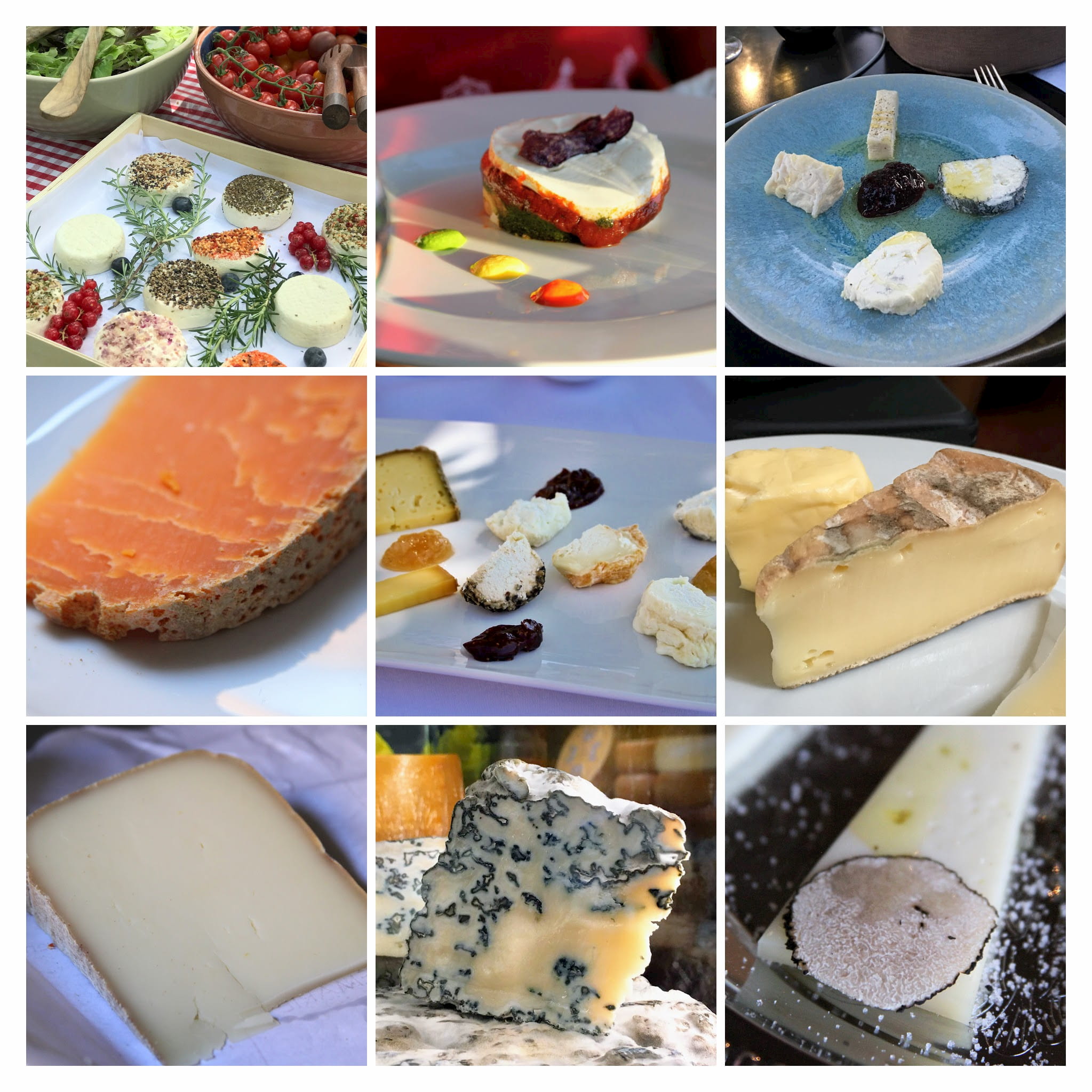
Who loves French cheese?
Our Provence Gastronomad Experience is a French cheese lover's dream.
France has a way with dairy products. French butter is amazing. French pastries can be sublime, in part because of the quality of the butter.
And nobody makes cheese like the French.
Every region of France has its specialty cheeses. And Provençal cheeses are amazing.
If you want to explore the exquisite cheese of Provence, you'll definitely want to join our Provence Gastronomad Experience.
We're going to taste cheese in salad, during picnics, with truffles, as part of wine pairings and for no reason at all. And, of course, we'll eat cheese the French way -- between dinner and dessert.
We'll eat amazing new cheeses you've probably never tried, every day.
Good news for you cheese lovers: We just had a spot open up for our upcoming Provence Gastronomad Experience (for a couple), which takes place June 24 - June 29.
During the Provence Gastronomad Experience, a small group of us will stay together in a beautifully restored French farmhouse, a short walk from a picturesque medieval village. From there, we’ll strike out to explore the very best of everything Provence has to offer, from the rocky vineyards of Châteauneuf-du-Pape to the canals of L'Isle-sur-la-Sorgue to the sunny beaches of the Côte d'Azur.
Go here for more information if you're even slightly curious about our Provence Gastronomad Experience. Or you can just send me an email at: mike@elgan.com
We'd love for you to join us in June on this unforgettable, once-in-a-lifetime experience.

Who loves lavender?
Our Provence Gastronomad Experience could be called the Lavender Experience. Provence is the global epicenter of exquisite lavender fields, and we surround ourselves with it, learn to distill it, eat it in honey, desserts and other provencal treats -- we practically (or, if you like, actually) bathe in it.
Yeah, sure, we taste Provence's best wine, cheese, cuisines, pastries, truffles, bread and more. We explore one of the most breathtaking European regions at the peak of summer, when the lavender is in full bloom. You'll meet our food and wine visionary friends, who will receive you like family and share the unparalleled culinary culture of Provence. And did I mention lavender?
Good news for you lavender lovers: We just had a spot open up for our upcoming Provence Gastronomad Experience (for a couple), which takes place June 24 - June 29.
During the Provence Experience, a small group of us will stay together in a beautifully restored French farmhouse, a short walk from a picturesque medieval village. From there, we’ll strike out to explore the very best of everything Provence has to offer, from the rocky vineyards of Châteauneuf-du-Pape to the canals of L'Isle-sur-la-Sorgue to the sunny beaches of the Côte d'Azur.
Go here for more information if you're even slightly lavender-curious about our Provence Gastronomad Experience. Or you can just send me an email at: mike@elgan.com
We'd love for you to join us in June on this unforgettable, once-in-a-lifetime experience.
Lavender!
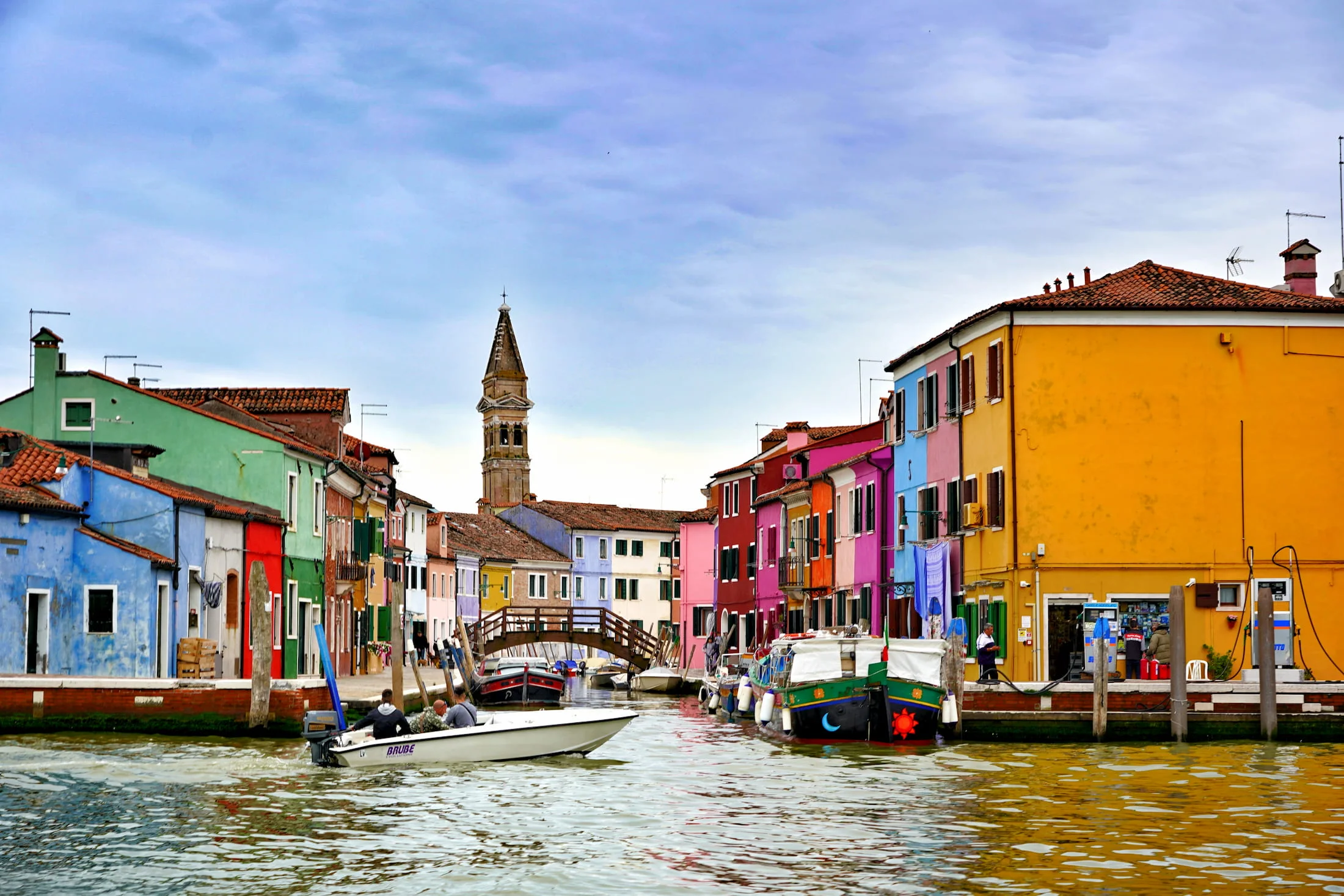
On the joys of 'detourism' in Venice
Venice is amazing, historic and breathtakingly beautiful. It’s also radically overcrowded with tourists. Every day, thousands of visitors crowd together to see and take pictures of (mostly selfies) of Piazza San Marco, Rialto Market and the Santa Maria della Salute church.
As with other places burdened by overtourism, Venice gets hammered by far too many people trying to see and do far too little.
So the City of Venice has come up with a wonderful concept they call “Detourism.” That means to explore far more broadly, with an emphasis on discovering things off the beaten track, rather than to join the hoards crowding the city’s “Greatest Hits.”
That’s what Amira and I do when we live abroad. That’s what we do (and did) on our Prosecco Gastronomad Experience, which includes Venice. Yes, we see the major attractions (always in a way that avoids the crowds). But we also explore several Venetian islands, some of which are unrecognizable as being part of Venice. We find quiet spots to drink wine by the water, check out islands mainly populated by actual residents, rather than tourists, and and even spend time on a farm. (Yes, Venice has farming — a fact most visitors to Venice never learn.)
The Gastronomad way to travel is “detourism” — which means the opposite of tourism and also implies going off the beaten track where people don’t normally go. These little-known places are where you can find the true soul of Venice — or wherever you go — and experience the true joy of discovery.
We love the concept. We love the lifestyle.